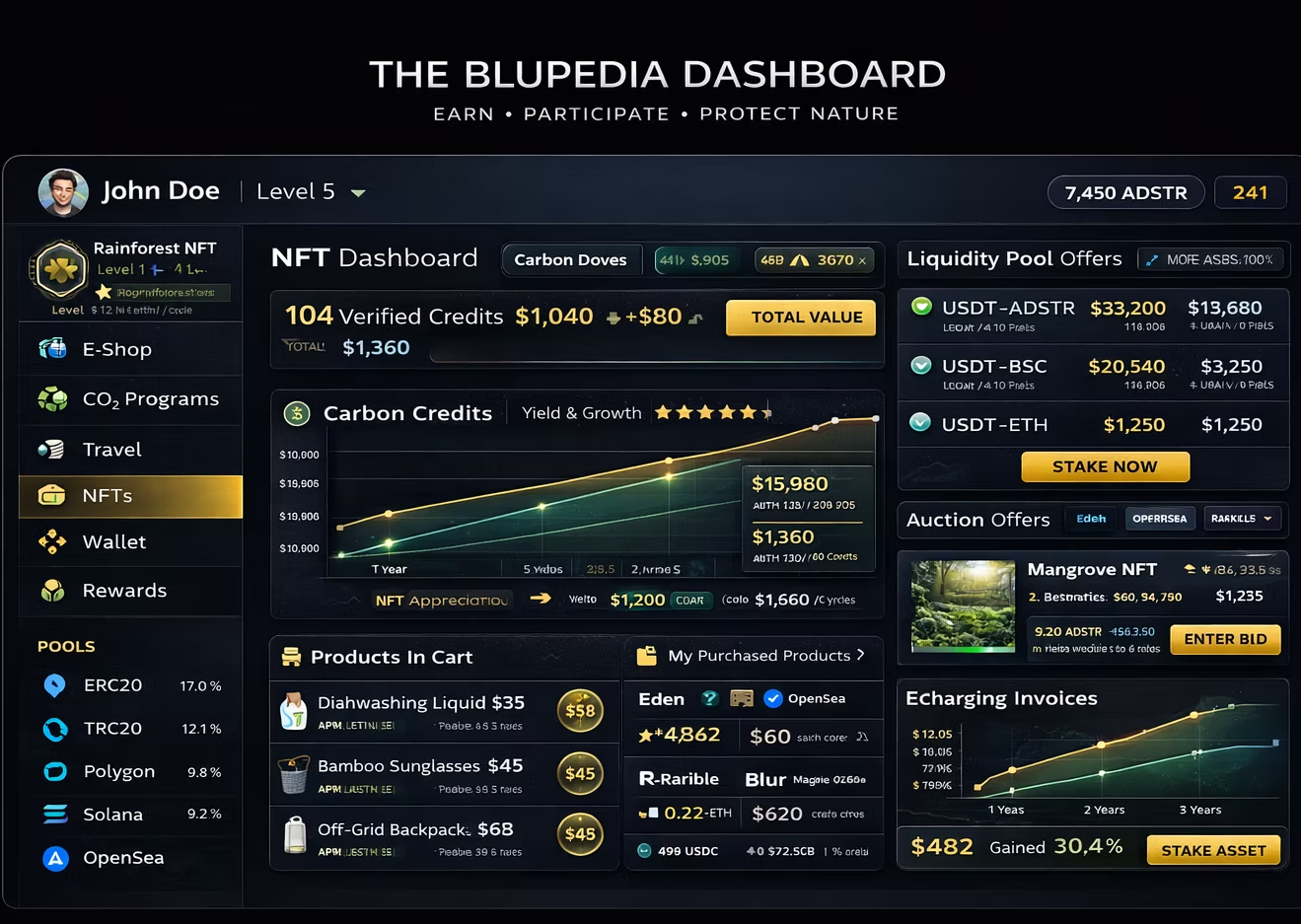


The
Guide
Intelligence // 01
Welcome to Blupedia
Blupedia is a platform where everyday actions—shopping, traveling, and creating content—earn you real rewards while contributing to environmental protection.
This guide walks you through how to get started, how you earn ADSTR Points, and how your actions create real-world ecological impact through decentralized participation.

Intelligence // 02
The ADSTR Ecosystem
Create Your Blupedia Account
Understand ADSTR (Eco-Rewards)
Shop Eco-Friendly Products
Participate in CO₂ Reduction
Create Environmental Content
Eco-Travel & Couch Surfing
Track Real-time Dashboard
Convert to Conservation NFTs
Generate Value Over Time
Lead Your Local Community
Intelligence // 03
Onboarding
Getting started is simple:
- Access: Download the Blupedia App or visit blupedia.org
- Sign Up: Register via Email, Mobile number, or Social login.
- Profile: Complete your profile with your Name and Location to find local restoration projects.
- Interests: Select categories like environment, eco-travel, or indigenous art to personalize your impact.
Intelligence // 04
Earn ADSTR Tokens
ADSTR Points are Blupedia’s reward units.You earn ADSTR points when you:
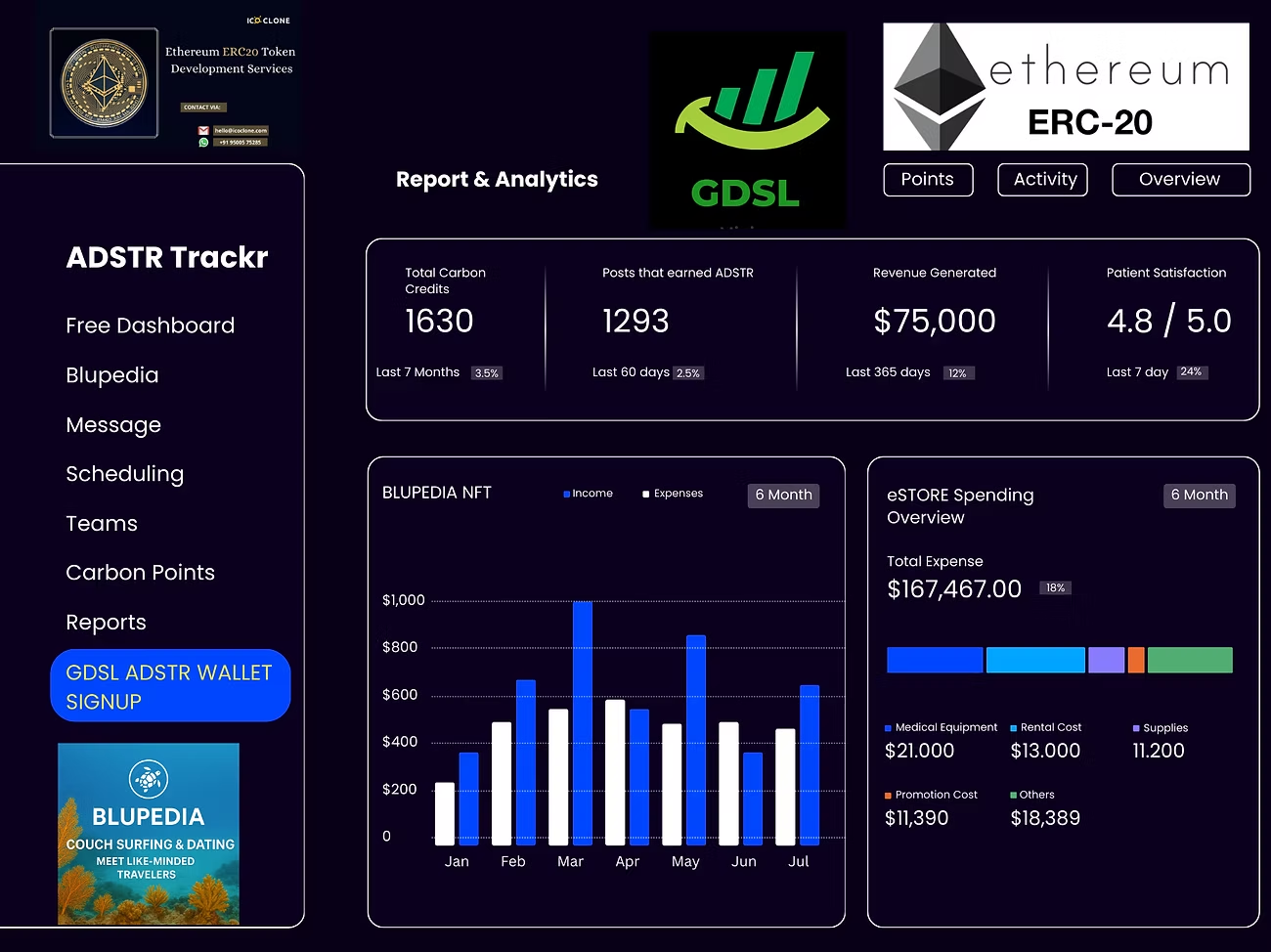
Blupedia rewards ecological participation through the ADSTR token. Users earn tokens by engaging in environmental activities such as supporting conservation projects, participating in eco campaigns, contributing knowledge, sharing verified content, and interacting within the platform. These blockchain-based rewards create an incentive-driven ecosystem promoting sustainability, digital engagement, and environmental awareness.
Intelligence // 05
Sindugarh Forest Fractional Ownership (NFTs)
Visit the Blupedia Online Store.You’ll find:
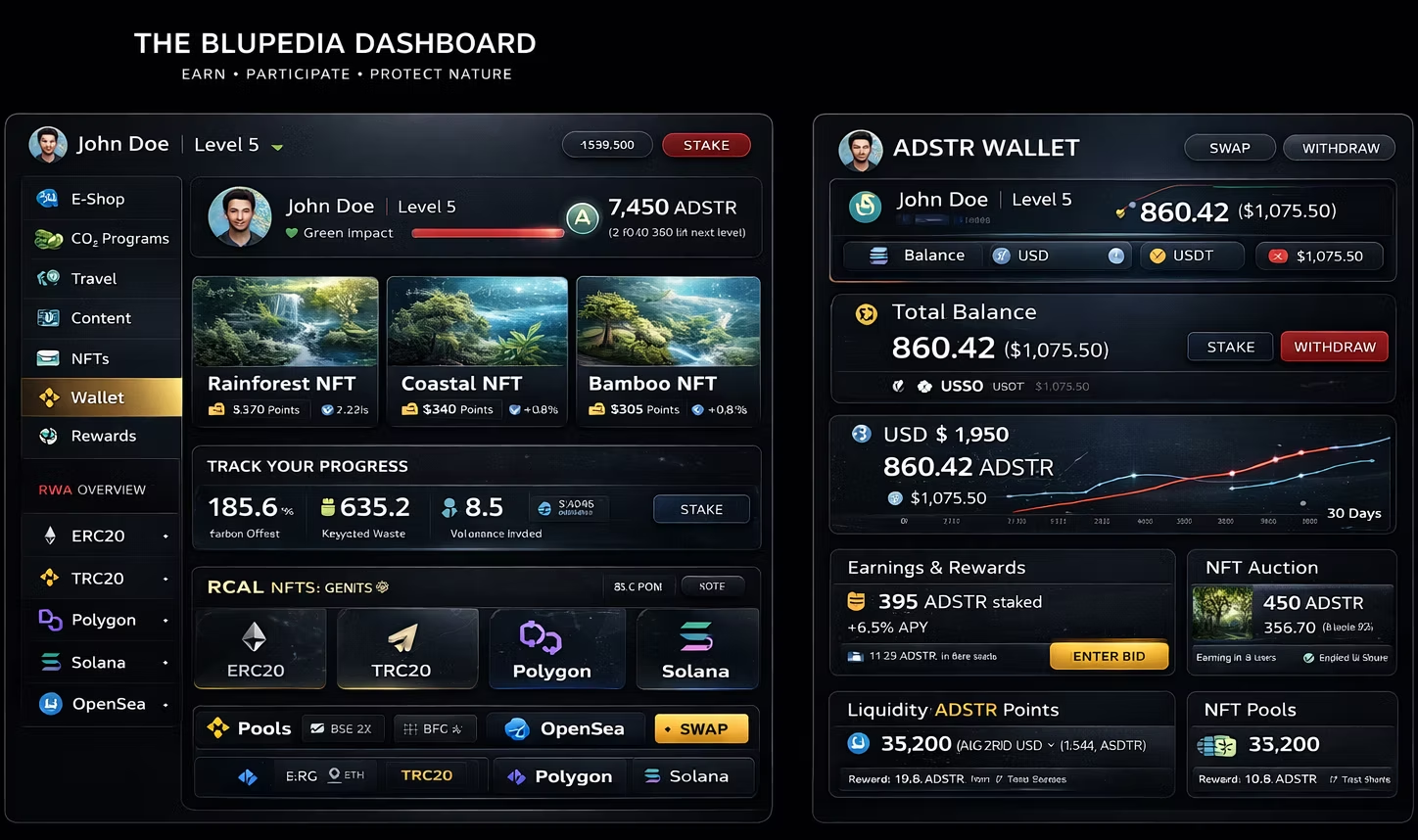
Blupedia introduces fractional ownership of the Sindugarh Forest through NFTs. Each NFT represents a verifiable digital fraction of preserved forest land. Owners gain symbolic stewardship rights and participate in conservation funding while supporting forest protection. Blockchain ensures transparency, traceability, and global accessibility for environmentally conscious investors and contributors.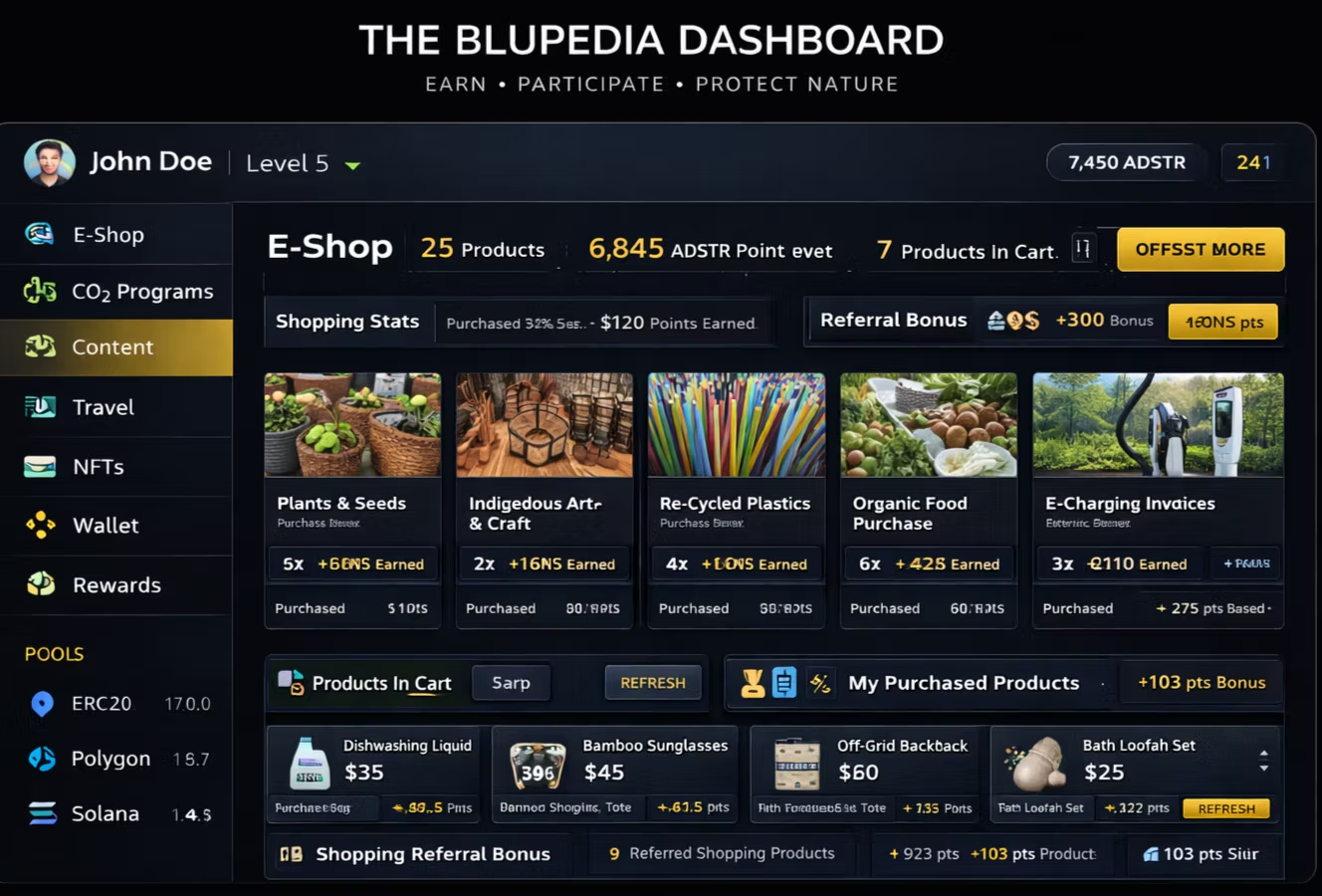
Intelligence // 06
Web3 Layer and Blockchain Infrastructure
Blupedia runs verified environmental programs such as:
The Blupedia Web3 layer records every activity on blockchain infrastructure, ensuring transparency and decentralization. User actions, environmental contributions, and token rewards are securely stored within digital wallets. Smart contracts automate transactions, ownership verification, and rewards distribution, creating a trustless ecosystem where environmental impact is verifiable and immutable.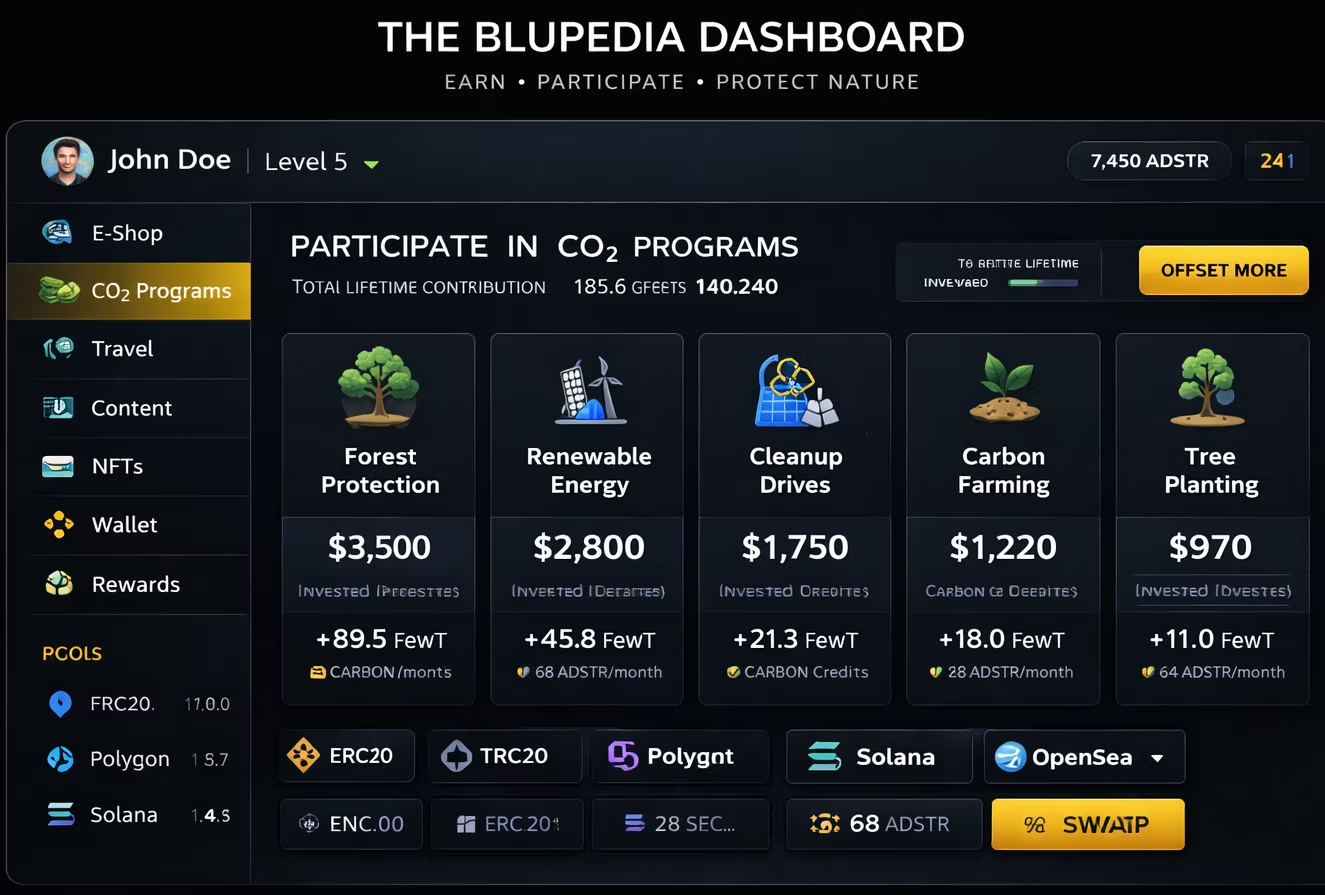
Intelligence // 07
Carbon Credit Marketplace
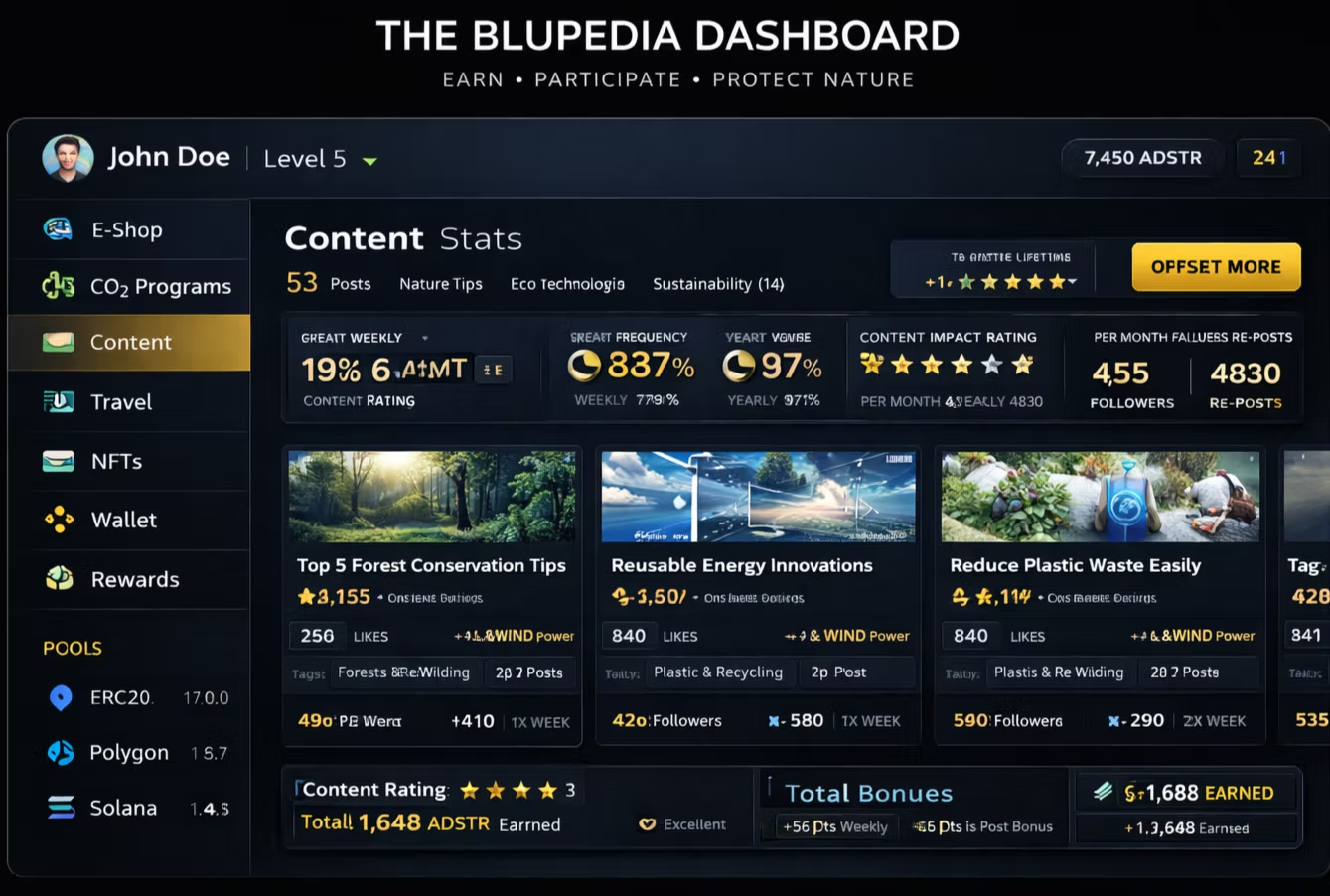
Blupedia rewards meaningful content, not spam.You can post:
Blupedia integrates carbon credit generation and trading into its platform. Conservation projects, reforestation initiatives, and ecosystem preservation generate verified carbon credits recorded on blockchain. These credits can be traded, retired, or used by organizations to offset emissions, enabling a transparent carbon market supporting climate action and sustainable environmental finance.
Intelligence // 08
NFT-Based Environmental Assets
Blupedia offers
Environmental assets such as forests, biodiversity zones, conservation projects, and ecological data can be tokenized into NFTs. These NFTs represent digital ecological assets that users can collect, trade, or support. Tokenization creates financial incentives for conservation while bringing liquidity and global participation into environmental protection initiatives.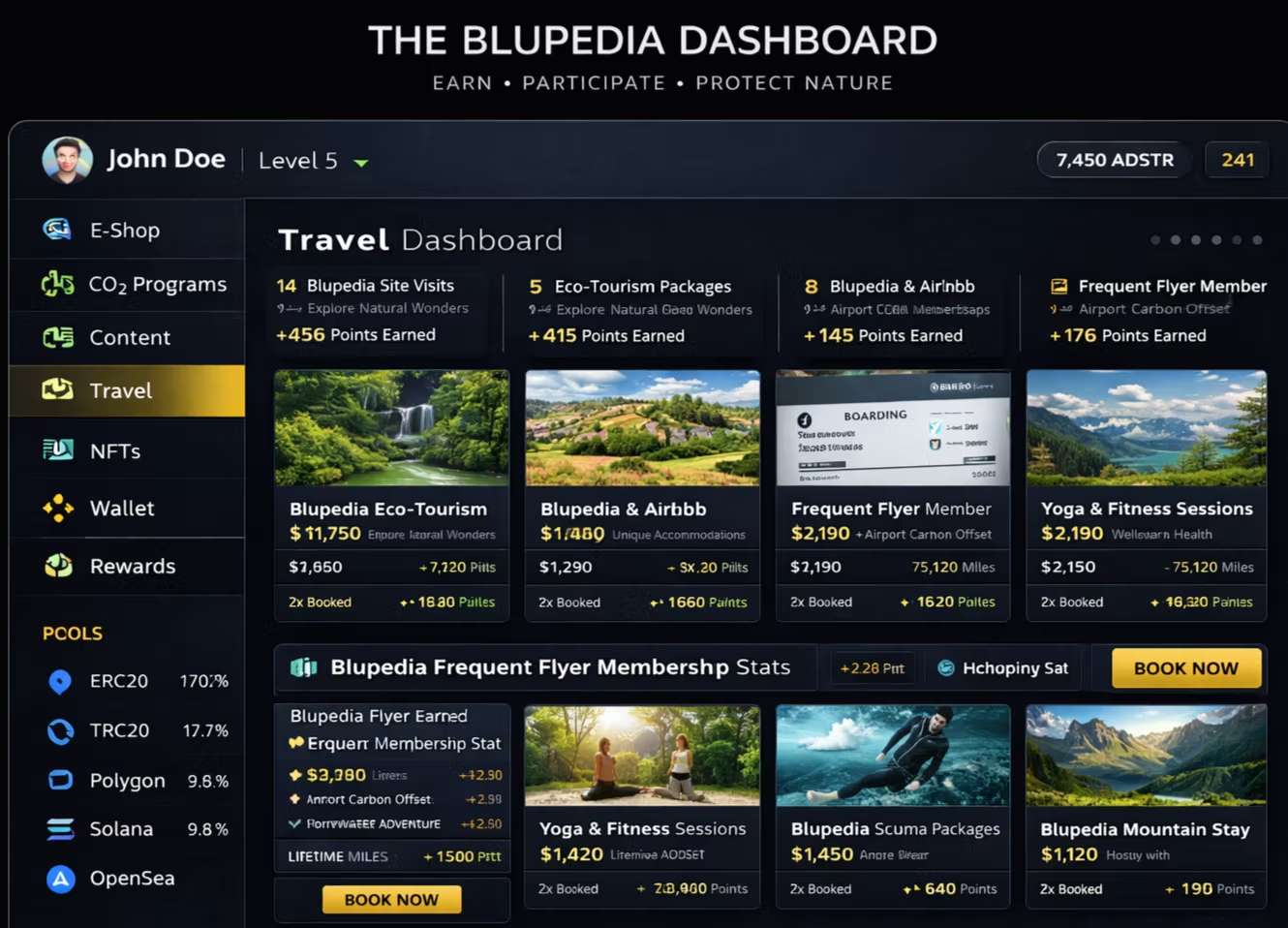
Intelligence // 09
Community Participation and Eco-Governance
Your Blupedia Dashboard shows:
Blupedia empowers communities to participate in environmental governance. Token holders can vote on conservation proposals, sustainability initiatives, and ecosystem funding priorities. This decentralized governance model ensures that environmental decision-making becomes participatory, transparent, and community-driven while aligning economic incentives with ecological preservation.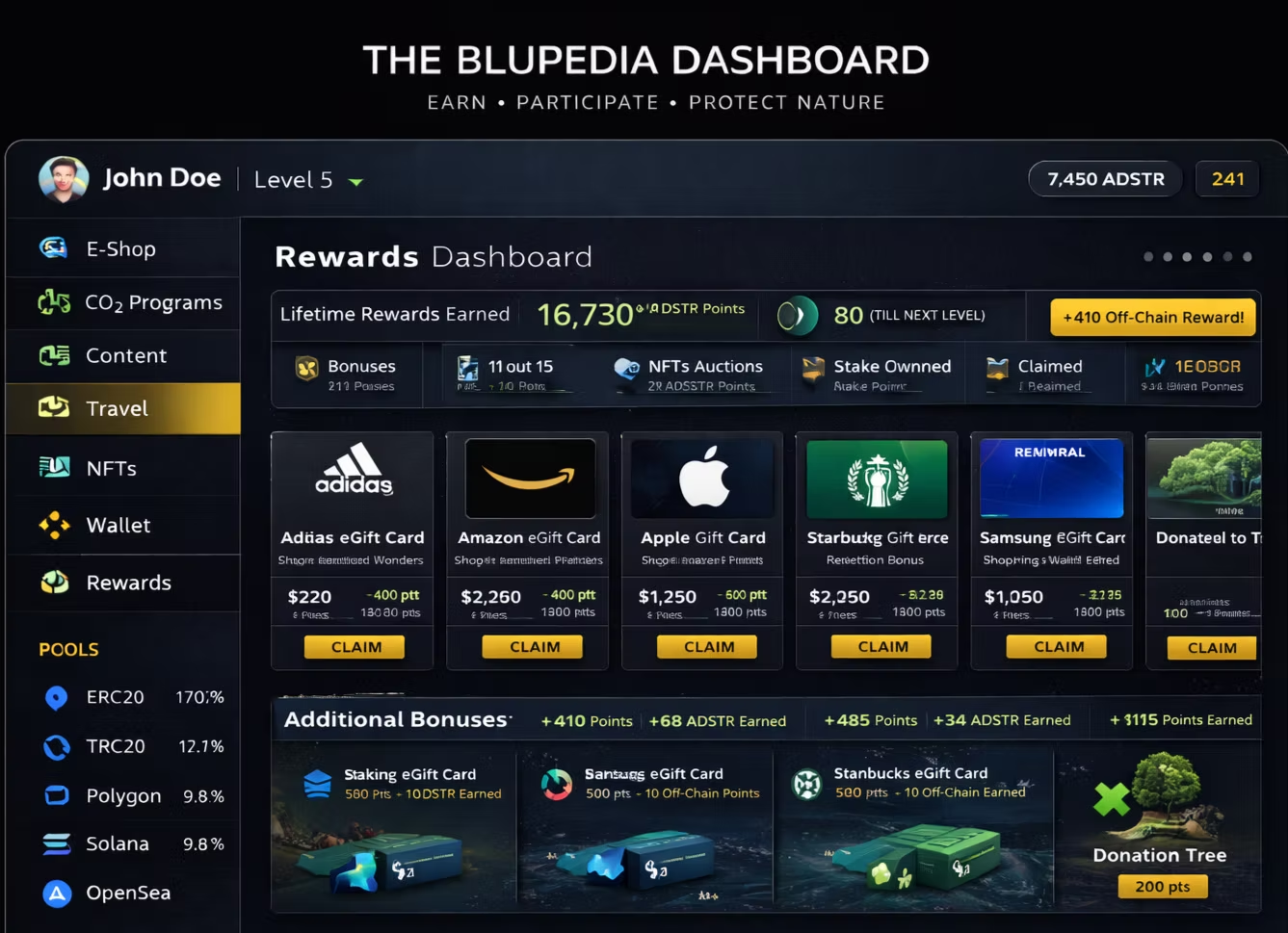
Intelligence // 10
Sustainable Digital Economy
After you own an NFT:
Blupedia creates a sustainable digital economy where environmental protection becomes economically viable. Through tokens, NFTs, and carbon markets, users can support nature while receiving digital value. The platform bridges environmental conservation, Web3 innovation, and community participation to build a scalable economic model for protecting natural ecosystems.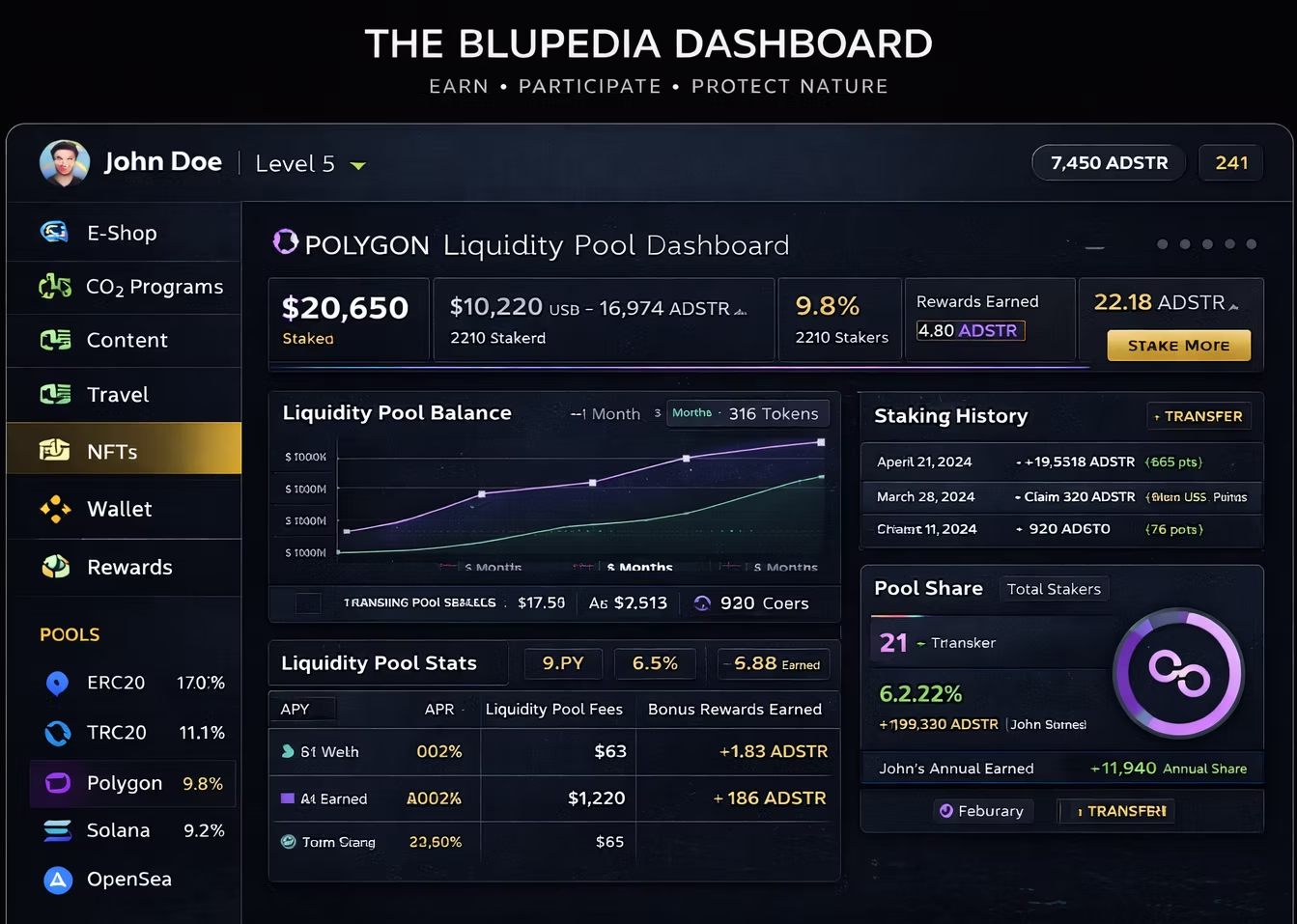
Intelligence // 11
Your Role in the Blupedia Community
We expect you to:
Blupedia serves as a knowledge repository for environmental research, biodiversity documentation, and ecological storytelling. Verified contributors can publish content, share field data, and document conservation efforts. This decentralized knowledge system encourages awareness, transparency, and education about environmental challenges and sustainable solutions.